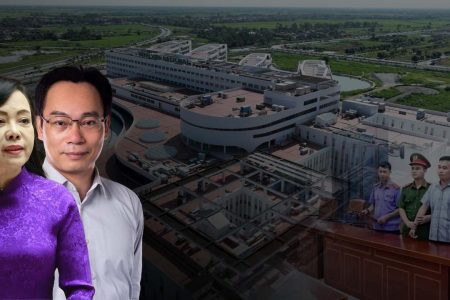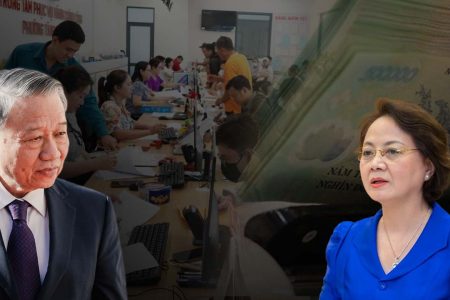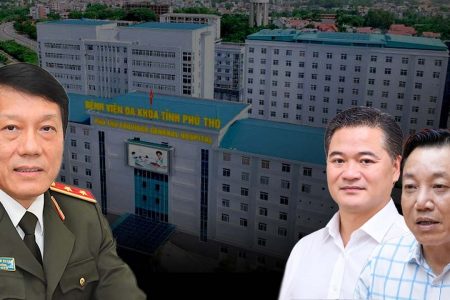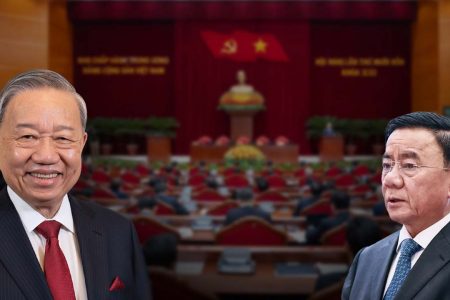
The localized shortage of more than 770,000 textbooks right at the start of the 2026–2027 school year was more than just a routine management issue. The fact that parents across the country had to scramble to buy books for their children sparked a strong wave of public outrage.
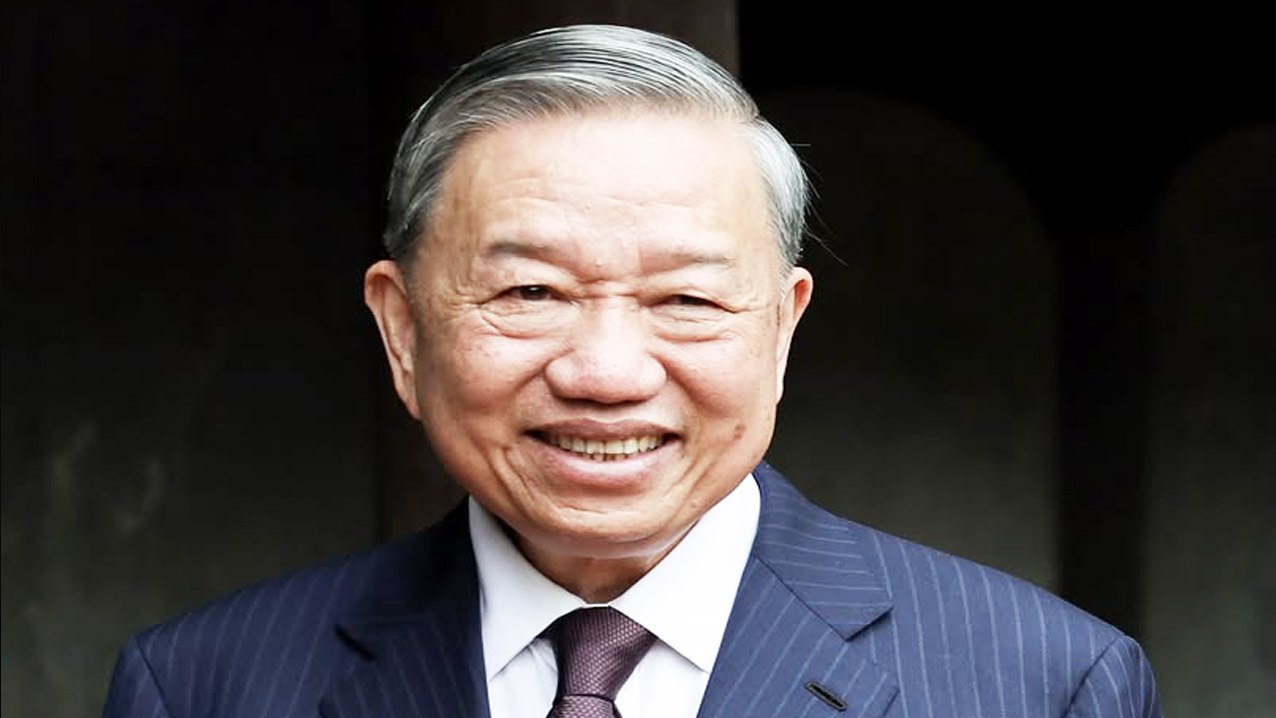
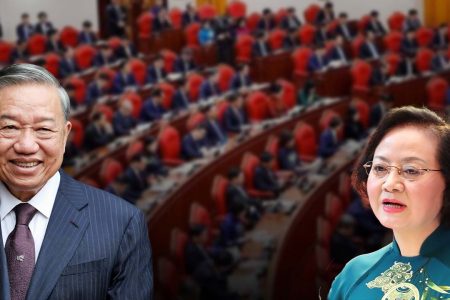
Immediately, Prime Minister Le Minh Hung issued firm directives, instructing Minister Hoang Minh Son to conduct a thorough review, clarify the responsibilities of the relevant organizations and individuals, and report the results by October 10, 2026.
This move has led the public to ask: Following the shocking major scandals at the Ministry of Health in the past, is a “Textbook Scandal” about to unfold at the Ministry of Education?
According to education experts, for many years, the textbook market in Vietnam has operated as a monopoly, generating enormous profits for publishing and distribution companies. Thanks to discounts that at times reached 25%, this market has become a “gold mine” for special-interest groups.
The lack of transparency in treating textbooks as single-use items—by requiring students to write directly in them—or the constant replacement of textbook sets year after year, serves as a form of forced consumption designed to generate profits.
This has placed a financial burden on parents and inadvertently hindered children’s right to equal access to education, particularly for those from low-income families.
Notably, a turning point occurred when the Organization
Translated with DeepL.com (free version)