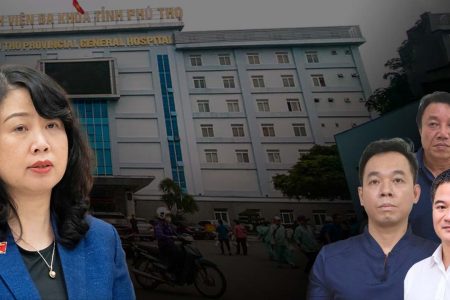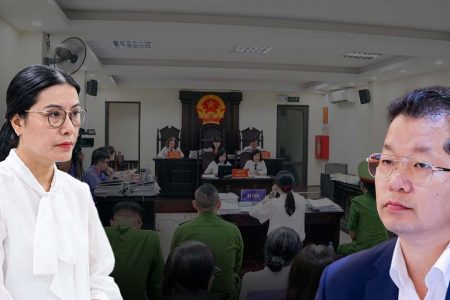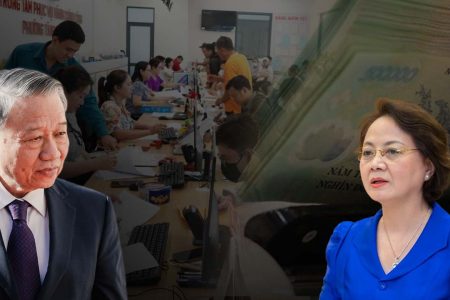
A story that has left the public stunned: the family of former Vinh Phuc Provincial People’s Committee Chairman Le Duy Thanh voluntarily paid over 1.63 million USD and more than 41 billion VND, but was later refunded 21.3 billion VND and 330,000 USD—a total equivalent to over 28 billion VND. The reason given was that the amount paid was “excessive.” At first glance, it sounds like a “mistaken transfer” on a trillion-dong scale: the money was deposited very quickly, but upon review, it turned out to be… too much!
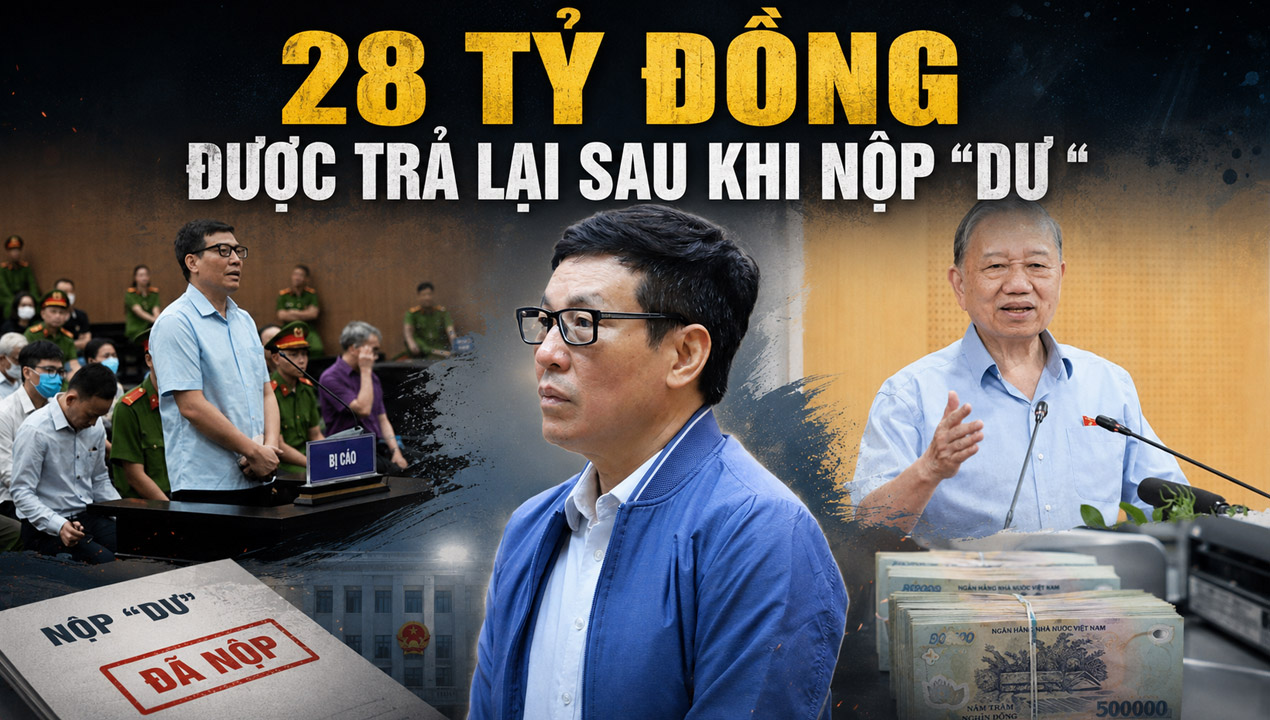
But behind this irony lie more serious questions. Which funds were determined to be related to the case? Which funds were the family’s lawful property? On what basis did the authorities determine the amount to be returned? And most importantly, to what extent was the process of inventorying, seizing, safeguarding, and returning the assets conducted transparently?
The story might make people laugh because of the sheer “excess,” but behind the laughter lies a significant issue: assets related to a criminal case must be handled through the law, evidence, and transparency. Because if money can be “overpaid” by tens of billions and then returned, the public has the right to ask: ultimately, whose money is it, and why?
https://www.facebook.com/share/p/1ESMku234N/